

Search Results "love u"

Helping Boys Navigate Harmful Online Influences Nearly half of U.S. teens say they are online “almost constantly. It’s critical to recognize that messages, images, and conversations that boys see or join online can shape how they think about relationships, consent, and what it means to “be a man” (masculinity). Guidance for Parents on Encouraging Boys to Be Upstanders Against Harmful Behavior Social media feeds, group chats, and online gaming spaces can sometimes expose boys to unkind or harmful interactions. Over time, repeated exposure to—and social approval of—these behaviors can influence what boys perceive to be an acceptable way to treat others. Healthy Romantic Relationships and Youth Well-being Healthy communication between romantic partners influences individual well-being, relationship quality, and satisfaction among young adults. Youth-supporting professionals should be aware of differences in communication preferences among partners and help youth navigate these differences within their relationships Crucial Conversations About Healthy Romantic Relationships This toolkit is…


Goal: Increase awareness of healthy relationships
Funding: CalWorks campus funds
Setting: Campus
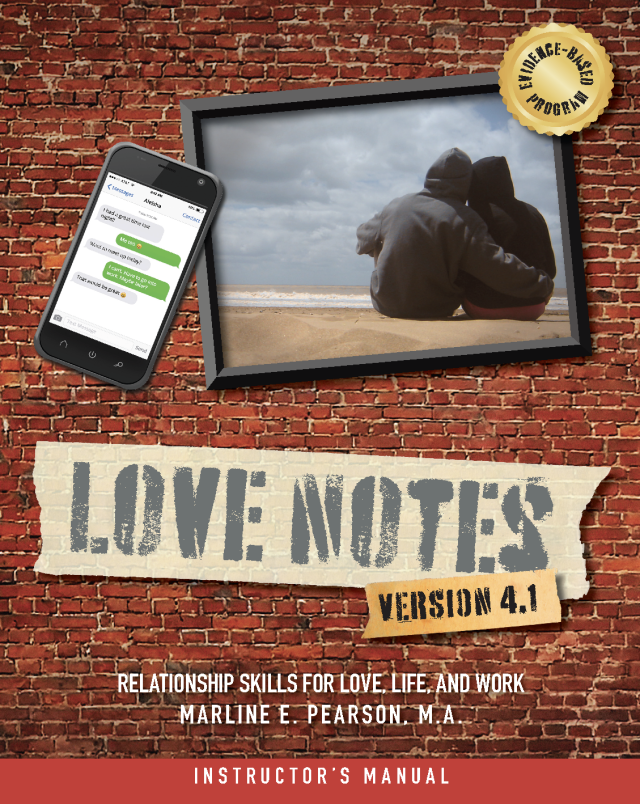
Curriculum: Love Notes
Goal: Increase college graduation rates
Funding: Department budget
Setting: Community college
Curriculum: Love Notes
Goal: Gain knowledge about healthy relationships
Funding: Runaway Homeless Youth + The Children Trust
Setting: Alternative high schools, community college, homeless shelter
Curriculum: Love Notes
Goal: Increase knowledge of healthy relationships
Funding: Independent Living Program
Setting: Youth shelter
Curriculum: Love Notes
Goal: Increase understanding of healthy relationships
Funding: County funding First 5
Setting: Conservation Corp classroom
Curriculum: Love Notes

Goal: Increase father child connection
Funding: Responsible Fatherhood grant, OFA
Setting: Reentry rehab centers, community centers, churches
Curriculum: Love Notes
Goal: Increase father involvement and connections to workforce
Funding: Responsible Fatherhood grant, OFA
Setting: Community centers, libraries, churches
Curriculum: Love Notes
Hear how three agencies that use different funding streams utilize relationship education to meet youth where they are in order to help them to prepare for healthy lives and futures. These organizations use Dibble’s programs to build protective factors so the youth can communicate effectively in jobs, set safe boundaries in relationships, make healthy decisions about their love lives. These agencies serve young people in schools, transitional living homes, and community-based settings. Attendees will: Understand the needs of vulnerable youth Demonstrate how relationship education meets vulnerable youth where they are Learn about best practices used in diverse settings Presenters Panel: Mina Koplin – Salt Lake County, SLC, UT (SLC) – TLP Funded Emily Spruill – Advocates for Children/Flowering Branch, Cartersville, GA – ILP through VOCA funding Reta Johnson – Family Center, Little Rock, AR – PREP Funded Resources: September 2019 Webinar PPT
When educating youth, one must be aware of their uniqueness as it relates to a variety of demographics, including the community where they are living. If youth cannot take the information you are providing and use it in their daily lives and in their community, then all of the education is for nothing. The evidence-based Love Notes Sexual Risk Avoidance Education(SRAE) curriculum is being used successfully in two SRAE programs that serve high-risk youth in very different communities – one in rural West Virginia and the other in New York City. In this webinar, we will discuss how, while these youth may seem like they are worlds apart, we have found that their response to this curriculum and relationship experiences are not all that different. Presenters: Torri Childs, MA, Field Research Associate who has worked with AMTC and Associates since 2008. Crystal Agnew, Deputy Director of Trinity Church, Peacmeakers Family Center Melissa…
Marline Pearson, author of Love Notes and Relationship Smarts PLUS, will make the case why a 4thR is needed for increasing student success. Learn why relationship education must be a central tool to help young people reach their school, work, and family goals by increasing their agency over their love lives. She will cover recent research and share evidence-based solutions to the pressing problems that face today’s youth. Attendees will: Identify at least 2 key reasons why relationship education is key to helping students succeed. Describe current trends that could be reversed by teaching relationship education. Identify 2 evidence based strategies that could be implemented to help students succeed. Presenter: Marline E. Pearson, M.A., Author, Love Notes and Relationship Smarts PLUS. Resources: February 2019 Webinar PPT
Years of research show that robust healthy relationship education can pull many levers in a young person’s life. One sphere it can impact is child sexual abuse prevention. Erin’s Law, passed in 35 states, requires that all public schools implement a prevention-oriented child sexual abuse program.The Mary Black Foundation in South Carolina has used Love Notes to help classrooms meet that requirement. Learn from Anita Barbee, Ph.D. from the University of Louisville, the research underpinnings that make Love Notes such an effective sexual abuse prevention intervention. Then hear from Polly Edwards-Padgett how the Mary Black Foundation selected Love Notes, gained access to the schools, their implementation approach, including funding, and how you can explore doing the same in your state. Objectives: Identify how Love Notes helps in the prevention of sexual abuse. Exam Erin’s Law to see how it has expanded the opportunities for Sexual Abuse Prevention education in the classroom. Hear…